
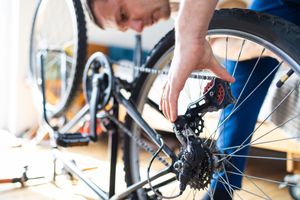
How to Look After Your Bike: 8 Simple Maintenance Tips
A new bike feels pretty great. Smooth shifting, responsive brakes, everything working exactly as it should. A little regular maintenance helps keep it feeling that way, so you can spend less time dealing with bike problems and more time riding.
Knowing how to look after your bike doesn’t mean becoming a mechanic or spending every weekend taking things apart in the garage. A few regular checks, some basic cleaning, and knowing when to bring it into the shop can make a big difference to how your bike rides and how long its components last.
Our team at Bear Street Outfitters rides the same Banff roads and trails you do. If you’re wondering how to look after your bike, here are 8 simple care habits we recommend to keep it running smoothly season after season.
1. Do Your First Service at 8–12 Weeks
New bikes need a little settling-in time.
As you start putting kilometres on your bike, cables, housing, spokes, and other components can bed in and require adjustment. You might notice less precise shifting, brakes that feel different, or small noises that weren’t there during your first few rides.
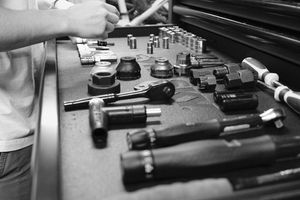
That doesn’t necessarily mean something is wrong. It usually means your bike is ready for its first check-over. We recommend a first service at around 8–12 weeks, or roughly 300–500 km depending on how much you ride. A mechanic can check your cables, bolts, gears, brakes, wheels, and other components and make any adjustments needed after those first real-world kilometres.
Catching those small adjustments early is an important part of looking after your bike and can help prevent unnecessary wear later.
2. Keep the Chain Clean and Lubed
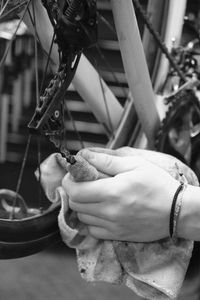
The chain is the hardest-working part of your drivetrain, and it punishes neglect fast. A dirty, dry chain wears out your cassette and chainring far sooner than necessary — and those are expensive to replace compared to a bottle of chain lube.
After a muddy ride
- Rinse the chain, dry it thoroughly, then apply fresh lubricant.
After dry rides
- Wipe the chain with a rag every few rides and apply a light layer of lube.
Match the lube to the conditions
- Use wet lube for wet conditions and dry lube for dusty or dry rides.
Wipe off the excess
- After lubing, spin the cranks backwards, then wipe the outside of the chain. You want lubricant inside the links, not sitting on the surface collecting dirt.
Check for chain wear
- A simple chain checker tool can tell you when it’s time to replace it. Replacing the chain before it becomes too worn can help protect the cassette and other drivetrain components.
3. Check Your Tyre Pressure Before Every Ride
Tyre pressure affects your ride more than you might think. Too little pressure can make your bike feel slow, increase the chance of pinch flats, and leave your rims more vulnerable to impacts. Too much pressure can reduce traction and make rough trails feel even rougher.
Before heading out, check the recommended pressure range shown on your tyre. Use that as your starting point rather than automatically inflating the tyre to the maximum pressure printed on the sidewall.
Your ideal tyre pressure depends on a few things, including your weight, tyre size and width, whether you’re running tubes or tubeless, the terrain you’re riding, and current trail conditions. There’s no single pressure that works for every rider or every ride.
If you’re heading onto rough or rocky Banff trails, you may prefer a little less pressure for added grip and comfort. Go too low, though, and you increase the chance of pinch flats with tubes or losing air with a tubeless setup. A floor pump with a pressure gauge makes this one of the easiest pre-ride checks.
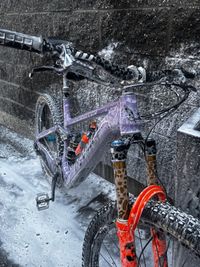
4. Clean Your Bike After Muddy Rides
Tyre pressure strongly affects comfort, traction, and control. Too little increases the risk of pinch flats, while too much reduces grip on rough terrain.
Start with the recommended range on your tyre, then adjust based on your weight, tyre setup, terrain, and trail conditions. For rocky Banff trails, slightly lower pressure may improve grip, but avoid going too low.
3. Check Your Tyre Pressure Before Every Ride
Mountain bikes take plenty of vibration and impact, which can loosen bolts over time. Check key areas such as the stem, handlebars, seatpost, brakes, wheels, derailleur, and suspension pivots.
If you notice new rattling, movement, or anything feeling loose, don’t ignore it. Always follow the manufacturer’s recommended torque settings, especially with carbon components. If you’re unsure, bring your bike into the shop for a quick check.
6. Store It Properly
Where your bike spends its downtime matters too.
Whenever possible, store it somewhere dry and protected from prolonged moisture and weather. Leaving a bike wet for extended periods can encourage rust and corrosion.
Before storing your bike:
Make sure the frame and drivetrain are dry.
Keep the chain clean and lubricated.
Avoid long-term storage in damp spaces.
Use a bike stand or suitable storage system where possible.
Check your tyre pressure again before your next ride.
For seasonal storage, give your bike a proper clean and inspection before putting it away. That way, you won't discover last season’s worn chain, flat tyre, or brake problem five minutes before your first spring ride!
7. Learn the Basics of Trailside Repair
Even a well-maintained bike can get a flat or develop a mechanical issue on the trail. Carrying a spare tube or tubeless plug kit, tyre levers, a bike multi-tool, a mini pump or CO₂ inflator, and a compatible chain quick-link can help you handle common problems without ending your ride early.
It’s also worth practising a few basic repairs at home, like changing a tube, plugging a tubeless tyre, tightening a loose bolt, or reconnecting a chain.
8. Keep Your Bike Rolling with Bear Street Outfitters
You can handle plenty of bike maintenance yourself. Other times, it makes more sense to hand the bike to someone with the right tools and experience.
Bring your bike in if:
Your brakes feel weak, spongy, or inconsistent.
Your brake lever pulls unusually close to the handlebar.
Your gears keep skipping or won’t shift correctly.
You hear persistent creaking, clicking, or grinding.
Your suspension feels sticky, harsh, or starts leaking.
Your wheels have noticeable movement or wobbling.
.You find cracking, creasing, or unusual damage on your frame or carbon components.
Your bike simply doesn’t feel right.
At Bear Street Outfitters, we’re happy to offer bike servicing right here in Banff, from adjustments and maintenance to more complete tune-ups. We also carry a selection of new bikes if you’re ready to upgrade.
Keep up with the basics, listen when your bike starts telling you something feels different, and give it a little attention throughout the season. You’ll spend less time dealing with mechanical problems and more time out riding!